
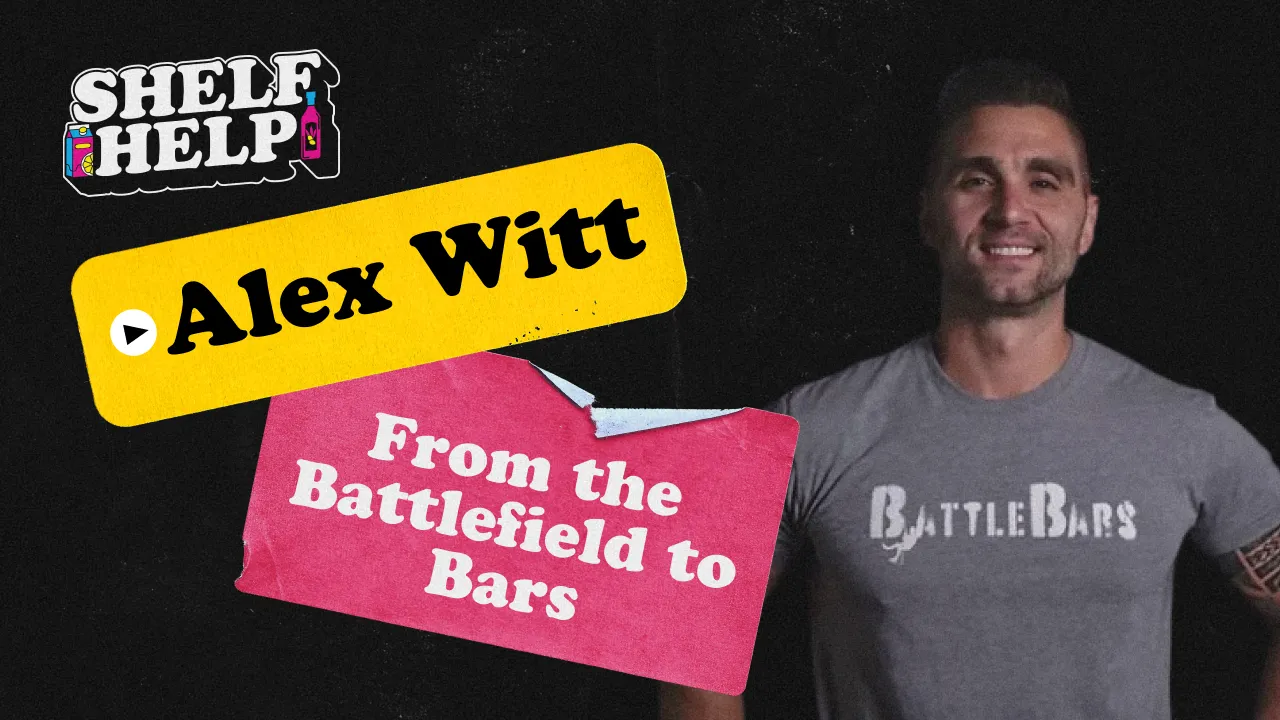



On this episode, we’re joined by Alex Witt, Co-founder and CEO of Battle Bars, a fast-growing, veteran-owned protein bar brand known for its Rice Krispie-like texture and nostalgic flavors.
A Navy veteran turned entrepreneur, Alex has taken Battle Bars from a side hustle to a multi-million-dollar brand with nationwide distribution.
Alex shares how he and his co-founder took inspiration from childhood snacks and Muscle Milk to create a new format in the crowded bar category. He unpacks the hard-earned lessons from their co-packer journey - including five months of production shutdown - and how they ultimately became part owners of their new co-packer to enable more control and to create aligned incentives.
We dig into fundraising, the evolution of their packaging identity, and how Battle Bars leverages gyms (including Alex’s own) as a launchpad and feedback loop. Alex also reflects on what brands get wrong about scaling and why he pulled back from Meta and Google ad spend.
—---------------
Episode Highlights:
🍫 Battle Bars’ nostalgic taste strategy (and Muscle Milk inspiration)
🛠️ Surviving co-packer hell and becoming a minority owner
🥥 Reformulating with coconut oil and the cost realities
🏋️ Gyms as both a testing ground and a beachhead
🚀 Why growing too fast nearly killed the business
🎯 Lessons from breaking into traditional retail
📦 Packaging that stands out and signals “indulgence”
💰 Fundraising, paid media pullbacks, and retail velocity focus
🔥 The brand Alex is most hyped on right now (that’s not his)
—---------------
Table of Contents:
00:00:00 – Intro
01:19:19 – Battle Bars origin story
04:28:03 – The transition from the military to entrepreneurship
10:43:17 – Formulation and flavor, Muscle Milk as an inspiration
16:38:05 – The marshmallow crisp technology, navigating co-packer “hell”
21:18:10 – Becoming a minority owner in their new co-packer
22:25:06 – Vetting co-packers, trusting your gut
28:04:21 – Shifting from canola oil to coconut oil, evolving the formulation, cost implications
31:28:19 – Gyms (including the ones Alex owns) as a beachhead and a testing ground
35:34:24 – Selling into gyms vs. traditional retail
38:14:03 – Breaking into retail: learning lessons and recommendations
40:02:20 – Growing too fast is a problem
42:57:01 – Visual identity and packaging design
44:22:18 – Fundraising
48:07:12 – Backing off from Meta and Google
49:41:01 – The brand he’s most hyped on (that’s not Battle Bars)
—---------------
Links:
Battle Bars – https://www.battlebars.com
Follow Alex on LinkedIn – https://www.linkedin.com/in/alex-witt-6a7a8b7a/
Follow me on LinkedIn – https://www.linkedin.com/in/adam-martin-steinberg/
For help with CPG production design - packaging and label design, product renders, POS assets, retail media assets, quick-turn sales and marketing assets and all the other work that bogs down creative teams - check out KitPrint.
Episode Transcript
Speaker 3: 00:00
Welcome to Shelf Help. Today we're speaking with uh Alex Witt, who's joining us from Deer Park, Illinois. Alex is the CEO of Battle Bars, a better for you protein-focused brand that primarily offers Rice Krispie Treat type bars and nostalgic flavors that are packed with about 20 grams of protein. A Navy veteran prior to Battle Bars. Alex helped grow a logistics business to 200 million plus in revenue. Also launched a 1040-10 Fitness, a training platform that eventually evolved into two gyms as well as a software platform called Move that essentially provides visual-aided programming to really kind of ditch the whiteboard, making life easier for gym owners and coaches. So yeah, thank thank you for your service, by the way, Alex. But yeah, first off, just for the listeners that aren't as familiar with Battle Bars, maybe just give us kind of a quick lay of the land in terms of origin story, why behind the brand, or flavors products you guys offer, and then maybe just shout out a few places where people get their hands in them and then uh we'll start there.
Speaker 2: 01:05
Yeah, let's do it. So uh thanks for having me on, Adam. You're uh it's pretty cool uh that you do this stuff. It's uh it's a good way to get get the brands out there and uh and learn a little bit, especially for young entrepreneurs, so it's helpful. I wish I could I wish I would have listened to some of the stuff beforehand.
Speaker 1: 01:17
Totally.
Speaker 2: 01:18
Yeah, so uh battle bars, we like to celebrate when we were born in the battlefield. My partner Ian and I uh you know served Iraq, he served Afghanistan and Syria. And uh we both shared this like same like sentiment that when we were overseas, there was nothing good to eat. Like we were eating like cliff bars and MREs every day. And I remember like we'd go out into the field, and before you go out the field, there was like this huge bin of all these cliff bars, and no offense to cliff bar guys, right? Like they sold for three billion dollars, so jokes on me. But like I would like I we'd all like go into this like pack, like this bin, and there'd be all these cliff bars like sitting there for free for us to grab. And we'd all be like, I don't really want to grab this right now. So I like I'd go in, go to the bin, stick it in our packs. And no one wanted to eat it. It would just like kind of sit in our gut, and we're like, man, like whatever. So, anyways, fast forward getting out and got into into logistics space and logistics business, but that's a whole nother podcast. But uh after getting out of that, you know, we I I I wanted to uh after the exit, we wanted to find something that actually tasted good. And I was like, I was investing into companies and and uh looking for better known companies to invest in. And uh, you know, my partner Ian and I kind of like were talking about things and we said, like, how do we how do we create what how do we create something that like actually tastes good? Like how come like every protein bar, if I go down the aisle, I get a quest bar and it tastes like I'm eating rubber and chalk. And how is it that I that they're selling? And I look at all these like all these numbers, and I look at like an RX bar that sells for almost 700 million dollars, and it's it's disgusting. Yeah, it's super clean, right? Like X mother ingredients, that's it. But it's gross, man. Like it's just so gross. And then you have these other bars that say zero sugar all over them, and all these companies, like it's it's fake sugars, right? So it's like it's kind of like a lie, but it's not really a lie. It's just like you're kind of tricking the consumer. I remember like looking at all these, and I'm like, wait, why like all these guys have sold for like $500 plus million dollars, all of them, eventually, right? And I'm like, there's gotta be a space for that. So like we ended up like hiring a food scientist and uh a chef from a co-man that actually worked there. And uh my partner's brother had a relationship with them existing. So we like came up with a concept and you know, talked to the chef and said, like, what's something nostalgic? Like, I what what does everyone love to eat? And everyone, I was like, I don't know anyone that didn't like a rice crispy treat. I don't know anyone that doesn't like that. So we're like, let's make something similar to that. And, you know, after about a billion iterations of trying to do it right, you know, we came with our first, uh, the very, very first bar, which is our our chocolate or the mother of all bars, as we called it. But uh now, you know, we've expanded. We have 10 flavors, which are shrinking down to just five core flavors that go retail. Uh but you can find us in, you know, over uh like 5,000 stores, including like Lifetime Athletic Clubs, Speedway, uh, which is about 1,500 stores, 7-Elevens, that's a 7-Eleven owned uh company. Yes Way, all Sips, UFC gyms, uh means chains, you know, 1,000 plus gyms, golf courses, things like that. So yeah.
Speaker 3: 04:27
That's great. I have to imagine you get asked about the transition from the military to entrepreneurship a fair amount. So I don't want to ask you too much about this and re-rehash yourself unless you want to dive into it in detail. But yeah, just for someone that's you know, look that is looking to jump straight from a mil a military career and on into entrepreneurship, especially in the CPG space. What are just maybe like a few recommendations or things you'd kind of tell people who uh you might have for them that are andor things to watch out for?
Speaker 2: 04:54
Yeah, I mean, it depends if you're gonna go into the creator space where you're gonna go full entrepreneur, or if you're gonna like go work, go look for a company to work for or learn certain skills. So I think like my skill set, like I was in logistics after the military. So like I didn't even know what logistics was, man. Like I literally got out of the military and I was like, I'll do whatever. So like when I got out, I was working at GNC, like a total meathead, and like worked there. I'd work there from like eight until like six p.m. at night, and then I would leave straight from there. I ran like eight stores and made like $32,000 a year, by the way. Shout out to GNC. Appreciate you guys.
unknown: 05:29
Right?
Speaker 2: 05:29
$32,000 a year to run eight stores and just abuse me. And then like I would leave there at 6 6 p.m. I would go straight to uh I would go to school and uh I was getting my fire science uh degree and EMT license. And I, you know, I I was just trying to like work my ass off. Like I I was never afraid of hard work. I mean, I was, you know, in Iraq it was 24-7. There was no days off, right? And just sweating profusely, no showers. It was gross. So like I'd get to go to bed every night. Like this was easy. Like I'd go, I'd go to like like I'd go to school until like 10 o'clock. And then then when I leave there, I'm like, well, I need extra cash on me. So um, I just go work at this bar. So like I don't really care about hanging out and partying, whatever. So like I'll go work at this bar and I worked at this Irish pub down the street from my house until from like 1030 until like four in the morning, and I just get up and do it all over again. And uh I did that for like a year and then realized it actually did take a toll on your body to do that. So, like, you know, but you know, man, I said when you get out of the military, there's a real fear, Adam, about like your your paycheck is there on the first and 15th of every month. It doesn't matter if you worked a lot or you worked a little. It doesn't matter. And you know what you're getting, you know exactly how much, you know exactly how much you got to save for your rent, for your mortgage, or whatever it may be. Um you get out and there's no real, there's a transition course, but it sucks. It's a joke, right? It's called taps. But you get out and you're like, wait, the money just stops, right? What am I supposed to do with my life? Like, how do I make money? And there's a real fear. And then on top of that, you know, like you just spent like, you know, years in like the most intense brotherhood possible of like having friends and you played college sports, right? So like you know what that feeling is like.
Speaker 3: 07:14
It's a I mean I know I I won't try to say it's the same, but I know you I know you mean for sure.
Speaker 2: 07:18
Uh but it is kind of the same, right? It's like uh you you share pretty intense experiences that not many other people can share together, right? And then you get out, and those that like that camaraderie is just it goes away. And you have to go find that like tribe again almost, you know. So um, you know, unfortunately, like I I've had more friends, I've lost more friends past military, post-military than during. So it's like that that's a problem that we've still got to solve. But I think that not to go too crazy into, but I think that, you know, for me, you know, I when while I was doing all that work, right? Like the plan was, all right, I'll work at GNC, I'll be the C either be the CEO of GNC one day, or I'll uh I'll I'll get my light, my EMT license, I'll go be a firefighter or a cop, whichever one takes me first. So like le leaving the military is a it's a it's a scary transition. So like I, you know, I was gonna be a cop or a firefighter or the CEO of GNC, right? So it's like, which one should I choose? I ended up like randomly meeting this guy, uh his name is Ryan Dobby, and I met him at this bar, and uh he introduced me to this company called AFN that he was starting, and I was like, just meet as many, I just wanted to meet as many people as possible who didn't serve in the military, that I could like use my skills and talk about my skills that I had in the military that maybe it'll translate to something they're doing. So this guy had a company, he's like, come in Monday for an interview. I'm like, okay, cool. So like I went in there and he's like, Who the fuck are you? And I was like, met you, you told me to come in for an interview, and he's like, Oh. All right, well, how much do you want to get paid? And I was like, What? He's like, how much do you want to get paid?
Speaker 1: 08:49
And I was like, I don't know, like 40, 50. He's like, All right, I'll pay you 45, but if you make that next year, I'll fire you. I'm like, okay. And so I was like, all right.
Speaker 2: 08:57
And it was like this uh kind of like it felt like like kind of like a boiler room almost atmosphere. Remember boiler room?
Speaker 3: 09:03
Yeah, for sure. Yeah, yeah.
Speaker 2: 09:05
I feel like boiler room. So we're it was like logistics. So like I was just trying to wing it. So like I guess like that and that company turned into like a handful of us to 270 employees with me at the forefront, right? And we were like, I got I came to like this crossroads where like I needed to I needed to understand, like, all right, am I gonna go be a cop or firefighter and be capped about how much money I can make and have to risk my life every single day? Or let's go take a risk and let's see if we can go make some money out of it, you know? I was like, shit, like I just realized, like, man, we can start making some serious money. And then all of a sudden the police officers, the police officer jobs and the fire department jobs started to kind of like become a real thing. Like I could, I'm getting offers. And I was like, no, I turned it down and turned out my first offer and say to the company, and there it was, you know. But I think I guess the point for me is for other young guys getting out of the military, like, and what I tell them is like, man, like everyone's got a plan to like get punched in the mouth. Like, you all you can do is like meet as many people as possible. If there's a networking event, go to it. If you're at a restaurant and you're sitting next to people that sound cool, say hi to them, compliment them, talk to them. And uh like be like everyone, if you're an entrepreneur, you have to be a salesman, right? So like I think when you get out, you just gotta meet as many people as possible, talk to them, be a great listener, learn about their business. And if they end up like helping you someday because you're you guys have a friendship, cool. That's great. And if they don't, they can't do anything for you, don't expect it. Then just accept that you got a great friendship out of it instead. It's a it's a tough transition, though, man. It's it's scary.
Speaker 3: 10:39
I commend all all uh all the progress you've you've made for sure.
Speaker 2: 10:42
I appreciate it.
Speaker 3: 10:44
Rewinding back to pre-launch, talking about formulation product development for for a second. I know you mentioned how you kind of came circle around the rice crispy type form factor. I also think I also read one of the big goals around the product and the brand is making every flavor feel nostalgic. What does that feel nostalgic? What does that look like to you? And how did you guys approach that to make sure you achieve that?
Speaker 2: 11:07
Yeah, well, dude, there's so much to the story, but like, do you remember muscle milk? Oh yeah, of course. But do you remember I'm not talking about muscle milk the way it is now? Because it sucks now. Muscle milk sucks. When muscle milk first came out, man, there it it like exploded on the market.
Speaker 3: 11:26
Oh yeah, for sure. Yeah, I remember. You remember like the and then all of a sudden it was everywhere.
Speaker 2: 11:30
It was like, oh my God, like this is the best tasting thing I've ever had in my life. I was drinking like three of those a day. I was I was obsessed. I'm like, this is like not a protein drink. This is like a milkshake, but it's got but the macros are solid. I don't think I looked at one of the ingredients. You know, I was in my 20s, but like it was incredible. So that was like honestly, my my true inspiration was like, how do you get that? You know, uh part of the guys that did muscle milk are actually helping with the flavor company that makes some of the flavors that we make. Um and that was, you know, it's funny about that is that it was actually by chance. Like we did, we didn't even know that. So it was pretty wild. But like the nostalgia is like, I don't know, like everyone, like when you eat something, and like I was reading about this chef, his name's Fabio Viviani in Chicago, and he's very like inspirational chef guy. And he's like, it's like if you look, you know you're getting a good meal when you take a bite and you close your eyes and you're and just enjoying the taste because it takes you back to something. So for me, like I want every single, every single person that eats our bars to like bite it and go, that's like the ultimate compliment, right? It's the ultimate compliment. Now, when you're trying to make a company that's like 100 million plus, it's really hard to do because you have to make a ton of bars at a massive scale. And you know, you got guys like David Barr making millions of bars per skew at a time.
Speaker 1: 12:48
Yeah.
Speaker 2: 12:48
Where it's like cut and dry, that's it, right? Where it's like our process, our manufacturing process is a lot more tough. So it's hard to really nail that down. But finding that good flavor profile in our in our innovation lab, that's the important thing. Is understanding that there's a process, respecting the timeline and trying to do it in advance and not trying to uh rush everything. But we test a ton of stuff, man. Like a ton of crazy ideas. Dude, we made we made a bourbon bacon bar once. It was disgusting. It was so gross. It was so gross, dude.
Speaker 1: 13:22
It was like a rice crispy treat love style, but bourbon bacon.
unknown: 13:26
Yeah.
Speaker 2: 13:27
The best part is like all these people tried, they're like, oh my God. And then I gave it to my son, who at the time was like nine. And he's like, Dad, this is delicious. Like, you should make more of these. I was like, of course you're saying friggin' beat head.
Speaker 1: 13:38
But yeah, it was like like nailing down that flavor profile.
Speaker 2: 13:42
So like if you look at it, like uh our s'mores bar has like a little smokiness to it.
Speaker 1: 13:47
So we want you to feel like you're sitting by a campfire, and uh every bite you get, you get a little chunk of a graham cracker, right? And a little crispiness, and you taste a little marshmallow fluff. So everything is mixtured, has a mixture of marshmallow fluff in there. Um so we want you to bring it back to like a campfire or our cinnamon cereal bar that we just launched. It's exclusive of Lifetime because they're just the best customer on the planet. But it launches on our website at Shield Sporting Goods, Speedway next month or September.
Speaker 2: 14:17
But like that one is like we did that to like I love Cinnamon Scrunch. I don't even care if I get sued. Like, dude, I love Cinnamon toast scrunch. Kudos to them. It's incredible, right? When I was a kid, like, and this goes back to nostalgia, always saying when I was a kid, you eat the cimitel scrunch, and what did you do afterwards? Like the best part was drinking the milk, right? Totally. And that's what I wanted to do. I wanted to make like a bar that like brought me back to like my childhood days. It is like that. And that's exactly what we did. It's incredible, right? Like our coffee, our coffee bar uh we make.
Speaker 1: 14:49
That's the we did a partnership with Stella Blue Coffee and Barstool Sports. I was talking with Big Cat.
Speaker 2: 14:55
I don't know if you follow Barstool, but like talking with Big Cat, and I was like, I was like, yo, man, like, because they make an incredible coffee, Stella Blue Coffee, and they have like very innovative uh cold brew pouches, and they make like this like cinnamon donut, which is very similar to ours. And so him and I were talking, I was like, I was like, man, like, why don't we make like an espresso bar, like a like a stello blue bar? And what we did was is we took Stella Blue's coffee and we sprinkled it all over every single, the top of every single bar and with the coating on top of it, with a dark chocolate coating, and give it 100 milligrams of Stella Blue coffee caffeine. But like every time, I'm not I'm not kidding you. When I brought it into the Barstool Sports Chicago office, everyone, I watched for it. Everyone took a bite, and the three people sitting across from me and their management team were just like this. And they close their eyes and shoot it, and I was like, yes. You know, it was just like, because you want to make something that people can like feel like, all right, I feel like I'm going back and drinking a cup of coffee, but also I'm eating a ridiculously tasty treat and the macros are are solid on it, you know? So that's the idea. Is that every single bar, like it sounds so silly, and there's all these like different things you gotta jump through, but it's like, yo, man, just like what if we just make them feel like it's they're going back to a spot that made them happy, you know?
Speaker 3: 16:11
Yeah. I mean, it sounds simple, but makes a lot of sense. If the product doesn't taste really good, nothing else matters. So it's like that you've spent the right a lot of time in the right area.
Speaker 2: 16:20
It could also be vice versa, right? Because there's a lot of products out there that are so disgusting that are selling like millions of dollars worth of product. True, it's true. It's crazy. And I'm not gonna call people out for their disgusting product, but man, there's a lot of companies that just raise a ton of money that their product is really gross.
Speaker 3: 16:37
Yeah, that's fair. It's a fair point. You talked about the the marshmallow crisp stuff a little bit from what I read to doing my research. It sounds like you co-developed andor licensed that marshmallow crisp technology or something along those lines. That's really the tech behind that rice crispy form factor with a partner. Assuming that is the case, my research was correct. How'd you go about finding that right partner in the first place?
Speaker 2: 17:00
Well, I mean, you gotta have a good food scientist and a good chef. And we had a great, we had a great chef who is like very unorthodox, but man, efficient as hell. Sometimes I had like trouble understanding him because like our our brains are just on totally different wavelengths, and he's very good at creating that stuff. I'm very good at tasting it and understanding it and marketing it, right? But just totally different wavelengths. But we clicked. So I think that for us uh to make a product that to make that product that's proprietary, I don't think any product that you make is proprietary, man. Like unless you're talking about like uh like some of the bars out there that have like a certain fat soluble solution, right? Where they buy out their, they buy that out and and now they own that whole process. But for us, do you see what I'm doing there? Leaving out the names, just trying to whatever. I don't want a free market. You know, they they don't need it, they can pay for it. No, so uh, but like the you know, our manufacturer, we were fortunate enough to have like them on staff and we had this turnkey process to start, which was so expensive to do. But I'll I'll give you like a shortened version of the story, man. Like we we went through hell, dude. Like hell. Like we we were about to get this deal. We were gonna go nationwide into 7-Eleven, 15,000 stores. I worked at my ass off for it, right? And I had a great relationship with the 7-Eleven crew, they're just awesome. The buyers there, so cool, so supportive. So that we tested in Texas, we tested in on the East Coast, and we used our guys with this proprietary marshmallow crisp, right? Our fluff. And uh the day of the production, the day of, no joke, their enrobing line broke down. So I'm like, like, I'm on top of the world, right? And my stomach just but I, you know, I what I caught was is like the the company didn't, they stopped, they didn't reply to any of my emails. They would only call me. I was like, all right, this, like your bullshit radar starts to go off, and you're like, oh man. So choosing, not to go too far into details, but like choosing like the proper partner, properly vetting them, man, that's clutch. You have to do that. Otherwise you're screwed. Because you're you're basically married to these people, right? It's like choosing the right person to get married to because you're for the life of your business. That's they're gonna be a part of it. Or if they're not gonna be a part of it, the exit's gonna be crazy. So when that happened, like Adam, we didn't make a bar. Dude, like talk about being on top of the world, and then all of a sudden it's like what do I do? But like I absolutely, you know, I raise money from investors. You know, there's like it wasn't at that time, it's like you figure it the fuck out. That's like our company mentality, and that's uh that's literally our our podcast. It's called Figure It the Fuck Out, Fitfo, right? Because that's a that's what you just do as an entrepreneur. And you know this from your days, right? And like early days in your old space, and now now I'm sure the same thing. It's like you gotta figure it out, man. You got to have to hustle and no one's gonna give you anything. So you know, I went on the road, I I've cashed out my kids from K, closed out my uh my or my kids' college fund, my 401k. I went on the road, I didn't want to use investor dollars, I wanted to save the company money and ended up uh ended up going to like different shows and looking for a new co-manufacturer, and so I found uh a co-manufacturer that's freaking fantastic. And the shortened version is uh my partner and I, we my partner Adam Wakefield and I we we made a significant investment uh into uh the company. So we have we have uh a bit of a say. And and beyond that. We actually own uh our own chocolate company now called Funkoa. Uh I you know after you know, when you are about to go like win the lottery per se for CPG and like and early on when you're just hustling and the rug gets pulled out underneath you. I'm never going through that ever again, dude. Like there's no way I'll ever go through that because that was just the most miserable time of my life. You know, we control our own destiny, we make our own product. Now we can make, you know, 150,000 units per skew per day. Our chocolate, you know, we can make is that we can make a ton of chocolate for not just us, but for other brands as well. So, you know, we're uh we're diversifying, but like we're about as vertically integrated as you can be without saying we're vertically integrated.
Speaker 3: 21:18
Yeah. You're thinking about ultimately actually going like fully vertical and actually whether it's buying that entire carbonger outright or building out your own manufacturing, you're you're kind of like taking it one step at a time.
Speaker 2: 21:29
Kind of one step at a time, but like I don't ever want to have to be in a position where I have to like say you like use my muscle per se, you know, and like say like I need it now. Because that's just not good because you want I'm we're minority owners of it, so like we want to have a good relationship. We want him to like want him to get as much business as possible, not just say, okay, well we'll make Battle Bar stuff. You know, we want to be good partners. And like anytime you do business with anyone, like you want to have high integrity. And like I've lived my life about uh like completely on integrity, man. And I feel like you end up like doing stuff like that in front of a strong arm because Hey, I put money into the company. It doesn't really matter. Like, you still got to run a business, right? And that sooner or later that'll catch up with you. So to answer and answer your question, is like, right now, yeah. Basically, we're going to do that. But like, I think over time, as we continue to grow, and like, you know, this year, next year is going to be a big year for us. So I think that like next year, it's something we'll absolutely look at to expand that and have a little more control uh of the line.
Speaker 3: 22:25
Had those challenges with that first copacker, you found this next one. Obviously, you liked him so much, you put some in your own, you guys' own money into the company. What looking back now, what kind of recommendations might you have for some other up-and-coming brand owners that are starting that search for a Copacker?
Speaker 2: 22:41
Yeah, I think um I think in any business, it comes down to communication. How easy are the people that you work with able to communicate with you? Because that's what it comes down to. When you're a new brand, nothing is cut and dry. Nothing is like, okay, I'm gonna make a hundred thousand bars on this day, I'm gonna make another. No, dude, because like you could have this plan, and all of a sudden, like a buyer gets back to you and says, I want XYZ, or you could have a viral video that bam, well, shit, you just sold 30,000 bars and now we gotta we gotta roll, right? Like we gotta make it on. And you don't want to be out of stock because out of stock sucks. Like that really sucks, man. Like, and believe me, we were out of stock for four months, dude. Out of stock. We didn't sell, we didn't make one product for four months. That's the death wish, right? So we survived that. And um, I think that like I was telling you earlier, it's a battle of attrition. You just you really just don't quit. But when you're going to McComan's and you're trying to go find the right ones, you have to you have to be able to get along with them, I think. Like, I think that like, dude, do you have a do you have a good vibe and you gotta trust your gut? And there's only certain there's a certain amount of people that have that skill and be able to say, like, all right, like I trust this person. Like, I'm gonna like let it loose, right? Like, I feel like Adam, I can tell you, I can talk to you, like I feel like you've been through some shit uh business wise, right? And I feel like we can have a good conversation. But like there's certain people where you'll be on the phone and they're like, you can tell that you're a transaction to them as opposed to like a valuable relationship. And those transactional relationships don't don't last, they just don't. And when you're a new business, you might have to do some transactions for sure, just do whatever it takes just to get going. But you gotta find a great partner, but also you gotta have product that actually can make, you can make a lot of product of, right? Because there's not a lot of co-mans, which is a good thing for my business, my partner's business, is that there's not a lot of co-mans out there for the small to medium-sized companies that want to make snacks. Snack just not a ton of them out there with our co-packer now, and I'll say their name, it's the muscle master food labs in Florida. Just great guys. And like I met this guy, and him and I just to the point about just trusting, like, we just trusted each other. And we were both at this point where we're trying to grow, we're trying to get our business off the ground. And I was like, look, I need an inrobic line. He's like, Well, I don't have one, but I'll buy one. I was like, okay, you'll invest in one. He's like, Can you commit X amount of bars to me? And I'm like, Yeah, I can do that. And so he bought it. We did it. And now he's he's flourishing, man. I mean, he's makes he makes an incredible product. Their communication is stellar, they're on time, their quality is there. They they they they know like they kind of work around like some of the issues that we're trying, like, there's always production issues. But they do a great job of making a great bar. And uh and I I can't say enough about that. But they well, I work with their innovation team. So like now what we do, we had to we had to like kind of reformulate the fluff because like their old way wasn't working. And like to be honest to you, like I'm a weird guy like that on like vibes, is that I didn't want anything to do with the old manufacturer at all. I don't want anything to do with it. Like, I wanted us like rest. So we we like tweaked the formula a little bit, so it's like completely ours. So now it's like ours outright. So like if the old co-man is listening, which they don't exist anymore, but you can have it if you're old. But like the like to be honest with you, man, like everything is we can own it all we want, but like it's everything is so easy to be tweaked. That's why it's like, dude, if you have a great brand, like that's what matters. You can't you can't copy a brand. You can try, but you can't copy. You can't copy right. You can make everyone can make everything. I mean, like I always give the example of like Black Ruffle Coffee. Those guys, I mean better known like us, they sell coffee, dude. Like they're they're not rein, they're not reinventing it. I mean, they used to sell those guys, they would tell me that they used to sell t-shirts and give away their coffee. Yeah. That's like they came up with unique marketing strategies, and not everything was like right to do, and they made so many mistakes, and they still make mistakes, but like, hey man, like it worked. And I think that that's like a page of the book that you should take out. It's like I I worry about like making sure our product tastes great. I don't give a shit. If some someone's gonna copy, and I'm sure someone already has, and and it's out there. Like we've seen other stuff. And I'm not even saying they're copying us, but if we have a great brand to go along with that and we get velocity in retail, it doesn't matter. They can't worry about other people. I don't really care. Yeah, dude, out of everyone. You know how many people have messaged me about like David Barr? Like, are you worried about David Bar? I'm like, I'm worried about David Barr. It's a totally different product than our stuff. But two, they just raised $75 million at a $750 million valuation. That's great PR for any brand trying to raise money like ours, because I promise you there's a bunch of rich people that miss that boat, you know? But in order for someone to 10X their return, that means they're gonna have to sell for like $7.5 billion, which all investors want a 10x, right? So like I'm not saying it's not possible because like, yep, like I know Peter and Peter's gangster, man. Peter, Peter Ahal's, he's a gangster. He knows what he's doing. But I've talked to him a bunch and like met him uh at at one of our co-packers, actually. It was a funny run-in. But anyway, my point is that like it's you can't worry about other what other people are doing. You can pay attention and respect it and watch and take a page out of their book, but like you can't give a shit what other people do. People are gonna copy you. It doesn't really matter. You know, if you're especially if you're doing something good, right?
Speaker 3: 28:04
Totally. I read that you switched from canola oil to coconut oil at one point. That was that how recently was that? I'm curious, was that a tough change to make from a formulation production standpoint, or was that a pretty easy transition?
Speaker 2: 28:16
Yeah, so like it the the oil, the the canoe we used in the past. I mean, like canoe wasn't like known as a bad thing, quote unquote a bad thing, until like, I don't know, in the last few years, whenever like everyone's staring at ingredients on social media, all of a sudden everyone's a doctor and a food scientist nowadays. Dude sitting in his basement playing Call of Duty, and he's like, what does this got? Knoil in it, you know? It's like uh like so same thing. It's like we uh we we follow the trends and we listen to our customers, and some customers didn't like it. Honestly, I kind of disagree with it. Like, I I don't know. Like we it's we the the amount we use is so nominal. I think that like based on the research, you'd have to use so much of it for it to actually have an inflammatory effect on you. But for me, like, you know, like coconut oil is I don't hear anyone complaining about coconut oil opposed to like maybe it's not an allergen. You know, I thought it was an allergen at some point, but it's not, but that's it. So I'm like, let's just see if coconut oil works because it helps like keep the bar together a little bit. And uh it did. And actually it made it better. Made it taste better. And it's a good look. So it's a good look for us, right? Yeah. But there's uh, you know, we look at we're always looking to improve the bar. Like we don't use like a sucralose or an aspartame, because what we found out is a sucralose or aspartame. While it may, you you may be able to say it gives you that zero sugar like claim that you can everyone loves to put on their ingredients, but that's everything I hate about protein bars, is it? Like everyone kind of feels like I'm getting bullshitted by some chemical that was in the lab. So um we we do use like a small amount of erythritol, but in 2026, we're looking at monk fruit to switch that out. So I think that, you know, it's crazy. I mean, I I think sugar, organic cane sugar, the ones that like that we that we use in our bars for sugar, is it's one uh sucralose is like one sixteenth the cost of actual like sugar. So we make an expensive bar. Our my my number one problem in our company is that we make an expensive bar. And every day, like we talk, every time we talk on finance calls, it's like what what can we do to uh to reduce the cost?
Speaker 3: 30:22
Yeah.
Speaker 2: 30:23
There are a lot of things we can do to reduce the cost. It's like we're never gonna use like art like artificial flavors or or colors or dyes, things like that. I think it's important to us that we s that we stick along those ethos. And you know, one thing that stood out to us is like my favorite customer that we just that we started working with. And I say favorite because I love all of our customers, of course, but like my favorite is Lifetime Athletic Club. I don't know if you go to a lifetime at all. Or in their life cafes, they were one of the first customers to truly believe in us. And when we went through all of our like all of our problems with uh manufacturing, they stuck by our side. They didn't get rid of us, they could have easily dropped us, and I probably would have because like I couldn't give them a good ETA and we're gonna make them product, but they're like, we're not gonna do it. We believe in you guys, keep it up, and they did, they stuck by us. But anyway, they when to get into Lifetime, you have to be free of the harmful seven. So if you go to like Lifetime website, there's like a they have certain like they have certain guidelines you have to follow if you want to be on their shelf. And uh it's very important. Like we to the point where we like we even put that on our website that we stole it from Lifetime. We love the idea so much that it's it it sticks with us.
Speaker 3: 31:28
That makes sense. On the topic of gyms, I think it seems like one thing that that you have that most other CPG operators don't is that it seems like, and you can correct me if I'm wrong, that you gotta have a bit of you have a bit of a testing ground to kind of validate product ideas and flavors, i.e., those those two gyms that you own. Is that I'm curious, how have you leveraged your your members' feedback to help drive product development decisions? Do you use this internal data in any ways to also like pitch retailers?
Speaker 2: 31:55
Dude, you're spot on. That's that we we they are quite literally our testing audience. And they love every bit of being the testing audience. We have such a good relationship with these guys and girls. I mean, we have you know, there's 400 plus members that we have. Um, so like anytime a new product comes out, anytime I get some new testing or an intent or like in the innovation lab, um, you know, I'll get excess amount of bars like sent to us and I'll have people test them out. And um, like just like coming up in September, we're reducing our flavor counts down to five hero flavors. And we put a survey out to all 400 plus people and said, tell me your top five view to rank these. So the five flavors that we come out, we put a survey out to our members of the gym, we put our surveys out to members of our like subscription club members, and also our wholesalers and regular e-commerce customers. And we just like took all that data, put it into one, and said, All right, here's what they said the top five was, and that's what we're gonna put out there. So I think you listen to your customers, but like to your point, like I I quite literally have like the best like ground for telling me what sucks and what's not, like from packaging to I'm like, would you grab this on the shelf? What do you see about this? Like, what what looks good to you? People will give me great feedback and they're very honest about it. And I also have like uh, you know, people I think people buy brands, not just products. And I think that people want to be a part of something. And like with with our gym, you know, we sell to a lot of other gyms. Is that when they give me that feedback, you know, I make sure I take notes. And that the our our sales, our sales girl for um director of nutrition for us that's looking to sell to gyms, jujitsu gyms, and boutique stores like that. She takes notes on how we want the product displayed and what their feedback is and what they say about it. So we can use that to have other gyms sell the product and have great velocity in those gyms.
Speaker 3: 33:37
It sounds like you really focused on launching. I think you got into like a thousand or so gyms before you focused on retail outside of gyms. At what point did it feel like, okay, we've gonna we're in enough of these gyms, you've gotten enough feedback, we feel like we've dialed things in enough, where okay, we're ready to start expanding into retail.
Speaker 2: 33:53
Can I be brutally honest with you? I just wanted to get into as many gyms as possible because like I saw like I read about like how our X bar just expanded into a ton of gyms. And I love fitness, dude. I mean, like I said, I own gyms, I work out every morning at five, I love it. I buy I drink the Kool-Aid of all of it, and I think that like I don't know, I think everyone at some point copies someone, kind of like to the point. Like, someone's gonna copy Battle Bars and take their success and you try to make it better than them. And so, like, we kind of just like I didn't really have a plan. I was kind of like, you've seen that movie Dark Knight, and he's like, Do I look like a guy with a plan? Like, look at my mustache. This thing's disgusting. So I'm like, I don't really have a plan. No, I have a plan now, but I mean, before it was like, dude, you're just trying to throw shit at the wall and hope it sticks. And I'm like, I know how to talk to gym members, don't know how to talk to retailers. So I don't even know how to give them the like they when I originally started looking at 7-Eleven, I like finally like cold called someone on the phone, and all of a sudden I randomly got like a like this form to fill out. I was like, what the fuck does all this mean? Palette? What how big is this palette? Like what? And then uh I was like, man, I need to stick to what I'm good at. So I was like, I can talk to gym owners all day long. I'm like, yeah, this is what we make it for, this is what I'll sell it to you, this is what you sell it for, you know? And then uh like your members will love it because it's veteran-owned and like CrossFit and boutique gyms like that, they love veterans, and uh it's an easier sell. And our and the best part is that when they taste it, they're like, oh my God, this is actually good. So it's like a it's a it's definitely a bonus.
Speaker 3: 35:17
Once you're on the shelf at gyms, what's what are the key things? And I'm mostly curious in terms of the differences between traditional retail in terms of actually driving velocity and driving sell through, and what jumps out in terms of what's different in terms of strategies that work best compared to traditional retail?
Speaker 2: 35:35
You know, you know what I learned is like I learned that in for for gyms to to turning velocity in gyms where you know, like I can make the most margin when I sell wholesale direct, right? If I gotta sell it to a certain retailer, I gotta pay a distributor, and I'm and I mean you know how the process goes. But like the so early on, you want to keep as much margin as possible so you can have positive cash flow. And like for gyms, what we've said is like, all right, we want velocity in these gyms, we want to keep them turning. So we like you we created like a community page where everyone's a part and we want people to feel like they're a part of our journey. So like I'm like, man, at our gyms that we own, I have like private community pages where everyone's talking nonstop, everyone's communicating with each other nonstop. I'm like, so why am I not doing that with other gyms that spot that buy and sell battle bars? And if I'm learning out how to run my gym more effectively and make profits, because it's very gym, being a gym owner is not for the fan of heart, man. It's freaking hard, dude. It's hard to make money. So you gotta have all your systems dialed in. So, you know, being able to connect with other gym owners, talk about different ways that uh they can be successful. A big thing we found is like pulling from my old GNC days is like a big stepper. It's like, all right, I want you to sell three items.
Speaker 1: 36:51
Every time someone buys something at checkout, I want you to sell three of them, right? I don't want you to, I don't, they should never walk up and just have like a fit aid, right? They should walk out with a fit aid and a battle bar. That's that's how it is. We always push.
Speaker 2: 37:03
And fit aid guys are like my they're my boys and they're awesome people. So I we we have a great relationship marketing-wise. So we're always saying, like, grab a battle bar and a fit aid. I sell, for example, at a gym, it's like you buy a battle bar for four bucks. That's our suggested retail price. And a fit aid is three bucks. But I'll work on a deal at my gym. I say, just do a two for six and or buy two battle bars, right? Or buy uh like two for six bucks at battle bars, and they no one ever, because they know they're gonna buy it the next day. So I'm like, well, what I buy just one that sounds silly. So I'll just buy two. You know, if I see I go to the store and I see two, and I'm like, well, shit, I guess I gotta buy the other one because it's a deal, right? But in reality, it's like, I don't know, is it the greatest deal? I don't know. My I really need to save like 40 cents, you know? But I'm still gonna go do it. But that's the way the consumer thinks. And the idea is you just you you get them to buy as much as possible up front, and that'll keep them coming back because they're used to that. Like they get like they get that buyer like consistency, you know, and that and that translates well. So we have like uh the FAQs and cheat sheets we send over.
Speaker 1: 38:06
We're always constantly communicating about new flavors and then constantly telling them of what's new and coming up and making sure they feel like they're a part of our team because they are.
Speaker 3: 38:14
For those people that have never sold in retail before, looking back now, or they're just starting to approach retail, what are like a few things that come top of mind that they should keep in mind as a give them the best chance of getting on the shelf?
Speaker 2: 38:26
Know your margin. Like number one, know your margin. Because know your margin, know your days to pay, be strict in your days to pay, especially if you're a great product, but you gotta develop, you gotta develop that community and that product first.
Speaker 1: 38:38
Because if you don't have the community and product, then the more demand you have, the more, the more you can work on your contract with that certain retailer, right? Sometimes, like at the beginning, I'm just like, dude, whatever, if you want to take my product, 60 days to pay, okay. You know, 90 days to bait, okay.
Speaker 2: 38:53
Just put my product on the shelf. Being on the shelf doesn't mean you're winning, right? Being on the shelf with positive cash flow means you're winning. But for us, we've we're very strict on like who we do business with. I'm like, I'm not just gonna do business because it sounds it's good marketing, you know? To be very clear, like very fair, like Vitamin Shop, the fantastic customer for us. They're fantastic. I don't really know if we make a lot of money. I mean, I know, but we don't make a ton of money off of it. But Vitamin Shop is such a respected name in the industry and and it drives a good velocity for us and it's good, it's good cash flow. But more importantly, it's great marketing. And I can't tell you how many customers I've got from Vitamin Shop just because they walked into a vitam Shop and the manager was like, hey, you guys got to try this. This is incredible. I mean, I got an interview with Walmart specifically because someone walked into a vitamin shop and loved the product so much and sent it to their buddy who's a buyer of Walmart. Or like, same thing, like HEB, all these other people are going into HEB left and right, you know. But like with brokers or distributors or whatnot, we got an HEB direct. Outside of the fact that I like slid into their LinkedIn and personal DMs about 10,000 times. But I think the important part is like growing too fast is a problem. And and I think that everyone wants to like win the World Series and not play 162 games. I think that like, or in your to your reference, they don't want to play the 17 now, which is weird, 17 games. I'm so used to saying 16 game, but 17 game NFL season. They want to play, they want to win the Super Bowl, but not play the full season. It's like, no man, like you you gotta play the full season. You gotta learn, you gotta take your licks, you're gonna make a ton of mistakes. But if you don't quit, you can't fail if you don't quit, right? So like you just gotta stay the course, learn as much as possible. But if you try to go too fast, like you could have a day where you're there's a half million dollars sitting in your checking account and you're and you're just like looking like this, everything's cool, your marketing budget where you want to go up, whatever. And then three days later, you could be down to like four digits, you know, and that that's scary. And you only learn that by honestly really going through it or having a great team around you that tells you don't do that, right? So, like for like for us, I'm like, you know, man, like I I want to uh I want to be able to say that I'm like in certain stores, but it's only cool if you're in those stores if you can stay in those stores, you know? So for us, like I'm focused on driving velocity and supporting our partners, you know? Yep. Like like HEB, like I want to sell a ton of bars in HEB. And we honestly, we don't have a massive marketing budget, you know, we're not like this huge company. So like we want to be able to sell to HEB and watch them move and do coupons with them. And but like what we've relied on is like we haven't really marketed much with them because we just don't have the budget that they desire for that. But dude, they they it sells because Texas, they only they're in Texas. That was strategy for us because Texas loves military. They love their veterans. So for us, like that was a focus of ours, is like, all right, we're gonna go into Texas and we don't have this massive marketing budget, but we know that if we keep emailing our customers in Texas, they're gonna show up. And they do. And they show up and we get and the PO from HEB comes like clockwork. You know, the the invoice gets paid on time every time. They're a great customer.
Speaker 3: 42:09
Thinking about that packaging design process when you're going through that in terms of the kind of the key variables that were top of mind for you, or another way to look at them, what was top of mind for you guys when you're creating that brief in terms of what you really wanted to prioritize.
Speaker 2: 42:21
Yeah, you know, I'm not a graphic designer. I I'm not, you know, I feel like I have a good eye for stuff. I know what I like, and I like I feel like I can point stuff out that works. Originally we had an in-house designer. You know, I did with the with our, it's funny, in our headquarters, it's here, but in it's down uh downstairs. We have like a big lounge area and we have a golf simulator and like plunge and sauna and a full bar, and on the wall is like all of our packaging and frames from the first packaging we created to the most recent packaging. And uh like we just redid our packaging again, and it'll probably won't be the last because you have to always do something new. You always have to keep it fresh, right? Um, you know, we had something here, someone in-house, and then we put something out on LinkedIn that we're looking for, someone to work for us on a contractual basis, but like really dive into our brand. And uh I work with this guy, his name is Lucas Wetzel. He's just he's a it is incredible. Like his communication is top, like very, very quick turnaround time, professional, incredibly professional. And we to everything we said in the past is that like we have a great relationship, so it clicks, you know. But like, you know, like as you expand, like you always want to keep your options open and you want to be able to have a lot of those keep those relationships with people like yourself, right? That um they know the space and they know regulat like regulatory on how to create packaging. You can't just have a graphic designer has no experience in in in packaging, right? And CPG, because then all of a sudden your nutrition label looks like shit. But you're like, Well, this looks great, but you have no idea that you're about to you can't go on the shelf like that, right? So um having good like co packing relationships as well. You know, we work with uh we work with Core Pack, and they they handle all of our packaging in boxes, and they're great at like Like cross-referencing everything, making sure it's good, communicating about timelines and understanding the quality and the sizing. And they have great packaging engineers they bring out that works with us. So it it's, I think it's always like an it's an ongoing not problem, but it's an ongoing thing that you're always having to pay attention to because you know, you can't have just one option. You gotta have backup options and you gotta have like a lot of great partners, right?
Speaker 3: 44:22
On the topic of fundraising stuff, I think you guys have raised, you know, million or two bucks, maybe more at this point. What have you found works well from a a fundraising process?
Speaker 2: 44:31
And well, I I think we have great branding. And I think that like people there's a lot of people that have money that didn't serve and they want to feel a part of that early on. And I think that like that early on, like before you get into private equity, before you're like putting your books together and looking at a true valuation of Ebada and all like your revenue and all that stuff, right? Like everyone's like everyone wants to like I I talked to this one like founder uh not long ago. He's they've been around for like a year. Like they were doing like 50 grand or something like that. They just started. But they it was like 50 grand in like a couple months. And I was like, well, well, what I'm like, well, what do you think you guys, what do you what are you saying you guys are worth if you're going to raise money? And they're like, Well, we're gonna go get a professional valuation. Like, what do you mean a professional valuation? Dude, like you guys are so new. Like your valuation is what an investor will be. They're caring about the multiple past. Like, all right, when you're when you pass that like two to three million or four to five million revenue stage, then like then like then we'll talk, right? But like for us, like we were fortunate, not fortunate because we made our own luck, is that when we sold our last business, a lot of people made a lot of money, and they knew that I was a big part of that. So um it was not easy, but it's like it's a challenging process because we've had to go back and ask we've had to go back and ask for money a lot. And you know, I'm fortunate to have some pretty awesome investors, including uh the old president of our X Bar, Jim Murray, great guy. And you know, he knows the space incredibly well. He's become a friend and he's he's gives me great advice. And, you know, I have you know, my business partner, Adam, is our biggest investor, outside of me, but he's our biggest investor. And you know, Adam sold a logistics company, you know, did very well for himself and was bored and wanted to get into something new. So like, but he knows logistics. And for anyone that's scaling their business, when you get to that scale phase, you're like, all right, well, how can we tweak our how can we start shaving some things elsewhere without hurting the product? Transportation is number one, right? Can you cut your cost or can you do that? And he's he's been incredibly helpful with that. So um so yeah, I think I think you know our goal now, like we're in this phase of growth where it's like everyone's like, oh, well, you gotta go hit like go hit five million. How come you're not at that right there yet? And it's like, wait a minute. You can do that, but it costs money to go do that, right? In order to make money in this business, you gotta go spend money on product, you gotta go on your cogs, right? So for us, we've uh we we've we've gotten to a point where like we're about to go nationwide with speedway. Um and after that, 7-Eleven Walmart loves travel stops and beyond that, right? And we have and and we're focusing on with a very small team, we're focusing on driving velocity within those so that I can take that data, go to some serious investors, and I you and by the way, choose your investors like you choose your co-packer or you choose your wife. Because if you take their money, they they're in your brand. They're on the cap table, right? So you're you're a part of their business, and they are just as much a part of yours. So you gotta be strategic. Gotta be strategic on how you take that money. So for me, we're we're preparing to go raise uh between four and five million bucks in our next round. We have some great investors kind of lined up and uh to show, because we know we're like, wait a minute, like if we go do this thing, like we can make it big. Like we have velocity, the bar's selling, right? And you know, we we've kind of backed off of Meta and and uh Google a lot, actually. We're not really doing Meta and Google as much anymore, as opposed to just saying, I'm gonna start focusing on having success in our retailers and making them love us. And then once they love us, it'll we can trickle down. Whereas the traditional way is like it used to be before like all the other crazy stuff happened with uh with Apple and all that. It was like you s you build your brand D to C and then you grow from there. And that's still alive. Some people can still do that. But like we did that, right? And we did decent at it. I think we did okay. But then our velocity in stores is growing faster than our velocity in online. So it's like you go for you go with what works, and that's what's working for us. So we we we double down on it, and you know, that's that's part of our next fundraise. There's a big focus on that like you can get into these stores, but you gotta go pay to get in these stores, you know? And then having a good banking relationship, I think, is insanely important.
Speaker 3: 49:01
Yeah, that's not talked about much, but uh, I think you're totally right on that front.
Speaker 2: 49:04
Yeah, well, why get rid of equity if you don't have to? A bank just a bank is gonna give you money if you're profitable. Be profitable, right?
Speaker 1: 49:12
Don't don't be a loser, be profitable.
Speaker 3: 49:14
Yep. Right, totally. Last question for you any brands or just trends in general across the CPG space that you've been kind of just tracking on the side that uh you're kind of excited about or feel like there's a lot of potential behind? Like in the competitive space, like with mine? Or not competitive, just anything you see on the sh the grocery store shelf that you all of a sudden brand new brand you discover. Like I'm starting buying this every week, or yeah, anything that kind of anything that jumps out.
Speaker 2: 49:41
I mean, um this is not an advertisement. I don't have skin of the game. Have you have you heard of these guys?
Speaker 3: 49:46
What?
Speaker 2: 49:46
FitAid? No. Dude, I mean, they make like it's just the the cleanest and healthiest like vitamins. They they call it like vitamins you'll enjoy drinking. But like they make like they're big in like fitness like gyms, crossfit gyms are big in like they they're what's the name of the brand?
Speaker 1: 50:04
It's called Fit Aid or Life Aid Beverage. Okay. Oh, that's the one you're talking about. Got it. Okay.
Speaker 2: 50:09
But like I'm telling you, man, like this thing, if you like grape, that is, it's zero sugar. It's uh I believe it's sweetened with monk fruit. Um, but there's you know, encapsulated uh creatine, my creabev, right?
Speaker 1: 50:22
Uh there's BCAs, electrolytes, turmeric, vitamins B, C, whatever, coQ10, right? Glucosamine, there's everything you need for recovery. And I work out like a lunatic. And when I when I'm done, like there is nothing better.
Speaker 2: 50:35
Like I can't explain it to you. Like, Adam, when you work out, when you work out next, you gotta like drink one of these afterwards. Yeah, it's so refreshing. I can't even tell. They've they have an energy drink line. They have like a um like it's like I think it's like a grape ACI, but it's uh, or however you say that, I screw that up. But they it's incredible. And it's clean energy. All the crap energy out there on the market that's just like loaded with crap. Okay, dude. So I'll tell you a story, another reason why I like like Fit Aid. So back in the day in logistics, I'm not gonna call it the company who was, but uh the comp we used to ship for a very large, now large, very large uh energy drink company.
Speaker 1: 51:15
And I was drinking like three of them a day. And you'll you know this brand.
Speaker 2: 51:19
But uh the the we we had like a freight board where we had to book off of the uh the company called us and said, hi, I need like hundred or 150 truckloads of of uh concentrate of our concentrate shipped to um some of our facilities across the country. And we're like, okay. Like, all right, well, they have to be the drivers have to have a certification for hauling hazardous materials. I was like, okay. I'm like looking at my drink and I'm like, what do you mean hazardous? And they're like, yeah, it's it's corrosive. And I was like, well, well, right? Like, I'm like, what am I doing? I'm I'm drinking corrosive material, like what am I doing? But that's what it was. And I was like, never again. I didn't I didn't drink one more of them. I was done with it. So anyway, I find I look for brands like FitAid. FitAid's not new, man. They've been around for a very, like a very, very long time. They're uh they they're just great guys. They've like really narrowed down the space. We partner with a lot of things together, so I I just and they're good people. So like I love giving them shoutouts, but they deserve it. They make a great product. They just came out with uh a high hydration stick as well. I love the hydration space. I don't know how big you are in the hydration space. Another hydration company is called Protect. Protect with a K. They make so they're very unique in that the most hydration companies have powder. These guys make it uh liquid, it absorbs the absorption rate's much greater. It's delicious, but they're also like a bunch of navy-owned uh wrappers invited. Nice. All right, cool. I'll check that one out too. Yeah, good guys. And then uh in the THC space, uh, there my buddy uh who is actually the CEO of Killcliffe. Do you remember Killcliff? I don't think I remember that one, no. Killcliffe is like a Joe Rogan partner drink.
Speaker 3: 53:05
Um if I saw the logo, I'd probably recognize it.
Speaker 1: 53:08
You would you would know it. But so the old CEO of Killcliffe and the old uh one of the old uh founders of Killcliffe and they started a company called Athletic THC.
Speaker 2: 53:17
It's like it's like your Delta. I don't want to screw it up, it's like Delta 9, but it's like they made like a pre-workout, a flow, and it's like so it's microdose THC with like B vitamins and things like that. So like you can take it like I give it to my girlfriend before she does yoga, and she's just like like flowing through yoga, and it just has like a good calming effect. And then they have this power formula that you take it before you work out, and it's just like it just gives you a different style push.
Speaker 3: 53:43
Interesting. I'll definitely check that one out for sure.
Speaker 2: 53:46
Yeah, athletic THC. I think they're just about to raise some cash too. So good. All right. Yeah, cool. I'll definitely check that one out.
Speaker 3: 53:52
Yeah. Alex, this has been great. Really appreciate the time. This has been awesome. Oh, yeah, man. What's the best place for uh people to follow along with you personally? And then also what's the best place for people to follow along with with battle bars as well?
Speaker 2: 54:04
Yeah, so I mean, obviously, you can like follow me on LinkedIn, just look me up, Alex Witt, and then you could uh um go to like an Instagram awit33, and then uh of course battle underscore bars. Uh you find us there. A lot of cool stuff on there. We're launching a uh podcast called Fitvo. You have a look out there. We have some crazy cool guests and studing uh including like UFC champs, uh guys like Ryan Bader, who's an investor of ours as well, and uh other like cool entrepreneurs, billionaires, and like really learn from them and try to like learn how we can make money together and learn some good tips of the trade so we don't have to all make the mistakes that they've made and I've made. And Adam, you've probably made too, right? For sure.
Speaker 3: 54:41
Hell yeah.
unknown: 54:42
Awesome.
Speaker 3: 54:42
Well, Alex isn't great. Really appreciate the time. I think that's the pod.
.svg)


